"Empathy is really important. Only when our clever brain and our human heart work together in harmony can we achieve our full potential." — Dr. Jane Goodall

Compassionate, trauma-informed counselling for adults

You can feel more grounded, less overwhelmed, and more like yourself again.

Individual counselling in Victoria, BC — in-person and virtually across British Columbia. A safe, collaborative space to heal, grow, and find your way forward.

Book a Free Consultation
RCC Registered 17+ Years Experience Victoria, BC Virtual & In-Person
A peaceful forest path on Vancouver Island

Something brought you here today

Whatever has led you to this page, you deserve support that meets you where you are. You are not alone in what you're carrying.

You've experienced trauma, and its effects are still showing up in your life

You feel anxious, overwhelmed, or emotionally exhausted

Work stress or bullying has left you burnt out or shaken

You're navigating aging, caregiving, or complex family dynamics

You identify as highly sensitive and feel things deeply

A path toward healing and wholeness

Therapy is not about fixing what's broken — it's about rediscovering the strength and wisdom already within you. Together, we can work toward meaningful, lasting change.

01

Safety & Emotional Regulation

Creating a greater sense of internal safety, and developing the skills to navigate difficult emotions without being overwhelmed by them.

02

Processing at Your Pace

Working through difficult or traumatic experiences in a way that feels manageable — never pushed, always supported.

03

Practical Life Skills

Developing concrete skills to support daily life, strengthen relationships, and build healthy, sustainable boundaries.

04

Self-Understanding & Resilience

Deepening self-knowledge, self-compassion, and inner resilience — resources you carry with you long after our work together.

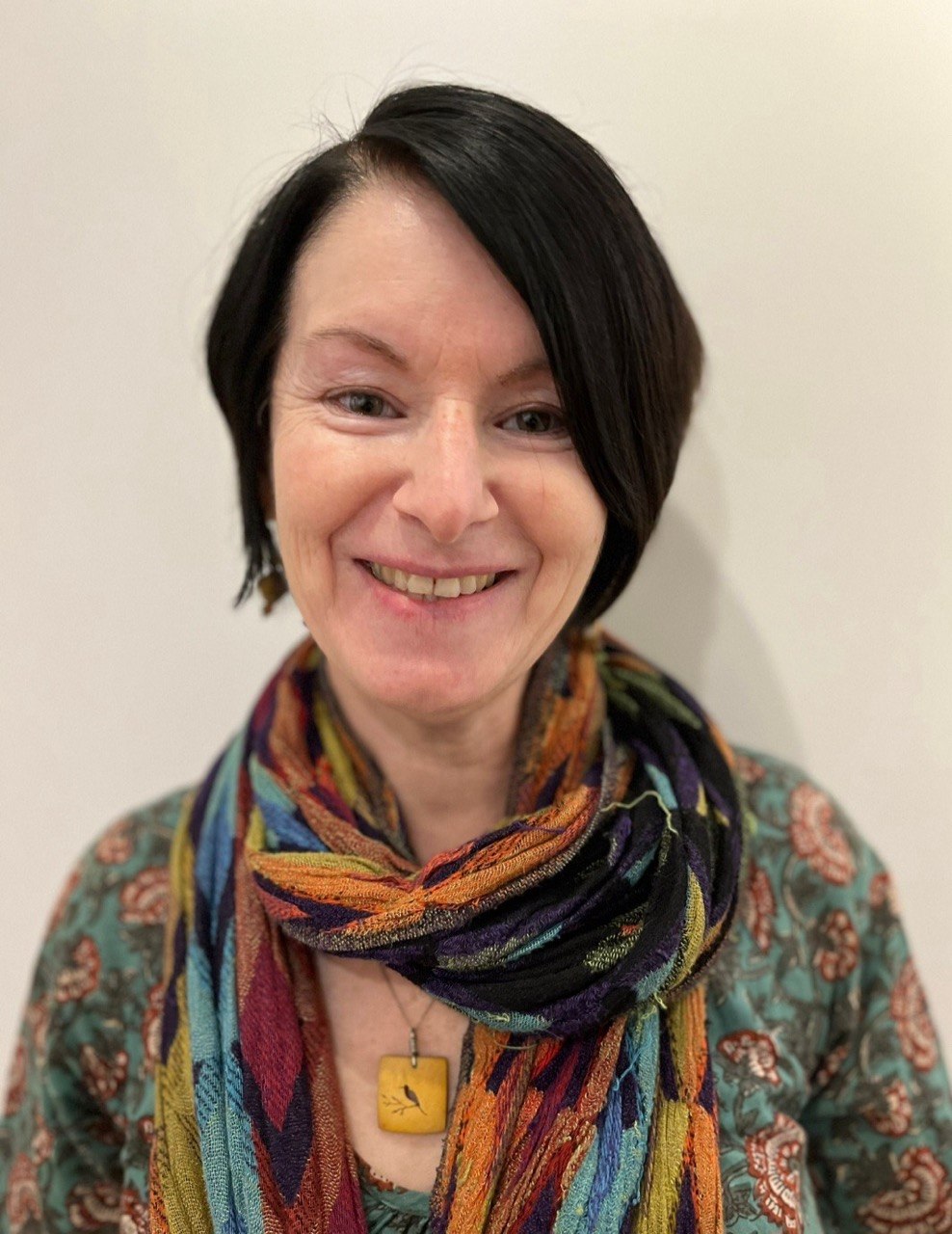
Sarah Jenkinson
RCC 17+ Years BCACC Member

Healing takes patience, courage, and the right support

I'm Sarah Jenkinson, a Registered Clinical Counsellor (RCC) with over 17 years of experience supporting individuals on their healing journeys. I work with adults who are navigating the effects of trauma, anxiety, burnout, life transitions, and the unique challenges of being a highly sensitive person.

My approach is collaborative, flexible, and genuinely client-centred. I believe you are the expert on your own life, and my role is to walk alongside you — offering insight, tools, and a safe space to explore what feels most important. I draw on a range of evidence-based modalities, and adapt them to fit your individual needs and pace.

Over the years, I have sought out diverse backgrounds and experiences, both personally and professionally, which has deepened my understanding of the many ways people experience the world. I am a Highly Sensitive Person (HSP) myself, which gives me a particular appreciation for the gifts and challenges that come with that trait.

I believe healing is gradual — it unfolds at its own pace, and requires genuine patience, courage, and consistent support. It is my honour to accompany you on that journey.

Strengths-Based We begin with what's working and build from there
Trauma-Informed Every step honours your nervous system and sense of safety
HSP-Aware Deeply attuned to the experience of high sensitivity
Integrative Multiple modalities adapted to your unique needs

Integrative, evidence-based therapy

I draw on a range of therapeutic modalities, integrating them thoughtfully based on what feels right for you. No single approach fits every person — together we find what works.

EMDR

Eye Movement Desensitization & Reprocessing

A trauma-focused approach that uses bilateral stimulation to help the brain process and integrate distressing memories in a new, less painful way.

IFS-Informed

Internal Family Systems

A "parts work" model that explores the different aspects of yourself with curiosity and compassion, fostering self-leadership and inner harmony.

DBT-Informed

Dialectical Behaviour Therapy

Practical skills for emotional regulation, distress tolerance, mindfulness, and building more effective relationships in everyday life.

CBT-Informed

Cognitive Behavioural Therapy

Explores the connections between thoughts, beliefs, and behaviours — helping you identify patterns that no longer serve you and develop healthier alternatives.

Hakomi

Mindfulness-Based Body Therapy

A somatic, mindfulness-centred approach that attends to body sensations and gestures as a gateway to understanding core beliefs and experiences.

Post-Traumatic Stress Disorder (PTSD) can develop after experiencing or witnessing a traumatic event — such as an accident, assault, natural disaster, or other deeply distressing experience. It is an understandable response of the nervous system to overwhelming events, not a sign of weakness.

Common experiences of PTSD include intrusive memories or flashbacks, nightmares, anxiety and hypervigilance, emotional numbness, and avoiding reminders of the event. These symptoms can feel confusing and isolating, but they are the mind and body's way of trying to protect you.

With the right therapeutic support, PTSD is very treatable. Approaches like EMDR are particularly effective in helping the brain process and integrate traumatic memories so they no longer hold such a powerful grip.

Complex PTSD (C-PTSD) arises from repeated, prolonged, or ongoing trauma — such as childhood abuse or neglect, domestic violence, or long-term exposure to threatening environments. Unlike single-incident PTSD, C-PTSD tends to affect a person's sense of self, emotional regulation, and relationships more deeply.

People with C-PTSD often experience difficulty managing emotions, a persistent negative self-image, feelings of shame or worthlessness, challenges in relationships, and a sense of disconnection from themselves or others.

Healing from C-PTSD is absolutely possible. It often requires a slower, more gradual therapeutic approach — building safety and trust first, before processing the deeper layers of experience. I am experienced in this kind of careful, paced work.

A Highly Sensitive Person (HSP) is someone who processes sensory and emotional information more deeply than others. This is a normal, inborn neurological trait found in approximately 15–20% of the population — it is not a disorder or a flaw.

HSPs tend to feel emotions intensely, notice subtleties that others miss, be moved deeply by art, music, or nature, and may be more easily overwhelmed by busy environments or harsh stimulation. They are often empathetic, creative, and thoughtful — but can also struggle with overstimulation, self-criticism, and a sense of not quite fitting in.

As an HSP myself, I have a deep appreciation for both the gifts and the challenges this trait brings. Therapy can help HSPs understand and honour their sensitivity, set appropriate limits, and build a life that works with — rather than against — who they are.

How we can work together

In-Person Sessions

Suite 204 – 1711 Cook Street, Victoria, BC. A comfortable, private office in a convenient central location.

Virtual Sessions

Secure online sessions available to clients anywhere in British Columbia. Accessible from the comfort of your own space.

Who I Work With

Individual adults (18+) across British Columbia. I do not currently offer couples, family, or youth counselling.

Transparent, straightforward pricing

90-Minute Session
Recommended for EMDR processing
$225/session

No GST charged. Receipts provided for insurance purposes.

CVAP Direct Billing Available — If you are a survivor of a violent crime, direct billing through the Crime Victim Assistance Program (CVAP) may be available. Please ask about this when you reach out.

Payment Methods

  • Interac e-transfer (details provided at time of booking)
  • Cash (in-person sessions)
  • Visa or MasterCard
  • Receipts provided for all payments

Insurance & Benefits

  • Many extended health benefit plans cover RCC services — check with your provider
  • Sarah is a Registered Clinical Counsellor (RCC) with the BC Association of Clinical Counsellors (BCACC)
  • Receipts include all the information your insurer will need
  • Coverage varies widely by plan — some cover partial, some cover full session fees

Frequently asked questions

Have a question that's not answered here? Feel free to reach out — I'm happy to talk through anything before you decide to book.

Counselling can be beneficial at any point in life — not just in crisis. You don't need to be at rock bottom to seek support. Many people come to therapy when they feel stuck, overwhelmed, or simply want to better understand themselves. Others come during specific challenges: relationship difficulties, career transitions, grief, burnout, or the lingering effects of past trauma.

If you're wondering whether counselling might help you, that curiosity itself is a good sign. Reaching out for a free consultation is a low-commitment way to find out.

Yes. Confidentiality is a cornerstone of the therapeutic relationship. What you share in sessions stays between us. There are a small number of legal and ethical exceptions — such as if there is an imminent risk of harm to yourself or someone else, or if there is a legal requirement to disclose — and I will explain these in full at the start of our work together.

You can speak openly, knowing that your privacy is taken seriously and protected.

In BC, a Registered Clinical Counsellor (RCC) is a mental health professional who has completed a Master's degree in counselling psychology or a related field, met rigorous experience and supervision requirements, and is a member in good standing of the BC Association of Clinical Counsellors (BCACC).

Unlike psychiatrists (medical doctors who can prescribe medication) or psychologists (who may conduct psychological testing and assessments), RCCs focus on talk therapy and evidence-based therapeutic approaches. For many people, RCC-provided counselling is the most accessible, effective, and appropriate form of mental health support.

Many extended health benefit plans do cover registered clinical counsellors. Coverage varies significantly between plans — some cover a set dollar amount per year, others cover a percentage of each session fee. I recommend contacting your insurance provider directly to ask about your specific coverage.

I provide receipts with all the information your insurer will need (including my RCC registration number) to process your claim. CVAP direct billing is also available for eligible clients.

For trauma work, weekly sessions are generally recommended, especially in the earlier stages of therapy. Regular, consistent contact helps build the therapeutic relationship, and allows us to maintain momentum in the healing process.

That said, there is no one-size-fits-all answer. Some people do well with bi-weekly sessions once they have established a strong foundation. We will discuss what feels right for you, taking into account your schedule, budget, and therapeutic goals.

Trauma healing unfolds gradually and requires a consistent, safe relational context. The therapeutic relationship itself — showing up regularly, building trust over time — is a significant part of the healing. Long gaps between sessions can make it harder to maintain the sense of safety and momentum that trauma work requires.

Consistency also allows us to track your progress, respond to what's emerging, and adjust our approach as needed. Think of it less like attending appointments and more like tending to an ongoing, deepening process.

Life happens, and I understand that schedules sometimes need to change. I ask for at least 24 hours' notice for cancellations or reschedules wherever possible. This allows the appointment time to be offered to someone else who may be waiting.

Please reach out as soon as you know you need to make a change — I'm always happy to work with you to find a better time.

Yes — EMDR can be conducted effectively via secure video sessions. Adaptations are made to the bilateral stimulation component (such as using audio tones or self-tapping techniques) that work well in the online format. Research supports the effectiveness of online EMDR delivery.

For online EMDR, a stable internet connection, a private space, and a device with a good camera and speaker are important. We'll ensure you feel comfortable and prepared before beginning any processing work.

Support beyond our sessions

The following resources may be helpful between sessions or if you are in need of immediate support. Please reach out to a crisis line if you are in distress.

Crisis Support

Vancouver Island Crisis Line 24/7 crisis support for Vancouver Island
1-888-494-3888
vicrisis.ca
Alcohol & Drug Info Line (BC) 24/7 support and information
1-800-663-1441

Professional Associations

EMDRIA EMDR International Association — research and practitioner directory
emdria.org
BCACC BC Association of Clinical Counsellors
bcacc.ca
Victoria Hospice Grief and bereavement support resources
victoriahospice.org

HSP Resources

Highly Sensitive Refuge Articles, community, and support for HSPs
highlysensitiverefuge.com
HSP Person Research and resources from Dr. Elaine Aron
hsperson.com

Take the first step

Accepting new clients as of January 2026

Reaching out is often the hardest part. Whether you have questions or you're ready to book a free consultation, I'd love to hear from you. I typically respond within 2 hours.

Thank you for reaching out. I've received your message and will be in touch within 2 hours. I look forward to connecting with you.
Something went wrong sending your message. Please try again, or call 250-881-3583.

Contact Details

Office Suite 204 – 1711 Cook Street
Victoria, BC
Phone 250-881-3583 Confidential voicemail — I return calls promptly
Email Use the contact form below
Response time: I typically respond to enquiries within 2 hours during business hours. All communication is confidential.